The Problem with Doing Nothing: A Designer’s Take
As an embroidery designer who has spent countless hours digitizing, testing, and refining files for real-world application, I have learned that not all graphics translate well to thread. Some designs look fantastic on a screen but become a tangled mess under the needle. That is why I approach every new machine embroidery design with a critical eye, looking beyond the aesthetic to the practical mechanics of stitching. Recently, I evaluated The Problem with Doing Nothing is That Y, a retro-inspired piece that promises humor and style. Here is my honest assessment of how this design performs in actual production environments.
First Impressions: Retro Charm Meets Practical Layout
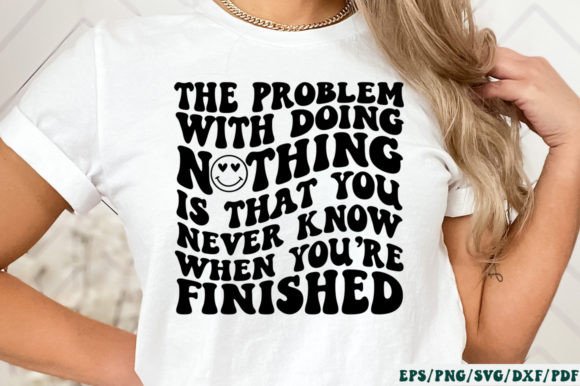
When I first opened the file, the immediate appeal was its typographic personality. The phrase The Problem with Doing Nothing is That Y leans heavily into the current trend of retro funny work quotes. For those of us in the Crafts industry, we know that text-based designs are tricky. They require precise kerning and balanced weight to remain legible once stitched. This particular embroidery file seems to understand that balance. The font choice suggests a vintage vibe, likely utilizing bold, rounded characters that hold up well against fabric texture.
The mood is lighthearted yet professional enough for a home office or a casual workspace. It does not scream for attention with overly complex illustrations, which is a blessing for stitch time and thread consumption. Instead, it relies on the strength of the message and the cleanliness of the letterforms. As a piece of Graphics intended for conversion into thread, this simplicity is a major asset. It suggests that the designer prioritized readability, which is crucial when working with smaller hoop sizes or textured materials.
Real-World Application: From Sweatshirts to Tote Bags
To truly judge a design, you must imagine it on a finished product. I visualized The Problem with Doing Nothing is That Y on a few key items. First, consider a heavy cotton sweatshirt. This is arguably the best canvas for this type of retro quote. The thickness of the fleece provides a stable base for the stitches, allowing the satin stitch or fill stitch elements to sit flat without puckering. The humor resonates with the "work from home" demographic, making it an ideal personalized gift for colleagues or friends who appreciate dry wit.
Next, I pictured it on a canvas tote bag. Tote bags are staples for Etsy sellers and small shop owners. The design’s horizontal layout fits nicely across the center or bottom third of a standard bag. However, because canvas has a visible weave, I would recommend using a higher density stabilizer to prevent the fabric from showing through the letters. If the design includes fine details, they might get lost on rougher fabrics, so this is where checking the stitch density becomes vital. For smoother fabrics like twill aprons or kitchen towels, the design should pop with excellent clarity, offering a crisp, professional look that enhances the perceived value of the handmade product.
Navigating Fabric Challenges and Hoop Constraints
While the design is versatile, it is not without its limitations. Embroidery on stretchy fabrics, such as jersey t-shirts or baby clothes, requires caution. If The Problem with Doing Nothing is That Y contains dense lettering, the pull of the thread can distort the garment. In these cases, using a cut-away stabilizer is non-negotiable. For caps, the curved surface presents another challenge. If the text is too wide, it may wrap around the curve uncomfortably, causing visibility issues from the front. I would advise testing the design in a smaller hoop size first to ensure the proportions remain balanced on curved surfaces.
Dark fabrics also pose a question of contrast. If the design is intended for black or navy garments, the thread colors must be chosen carefully. Light or metallic threads would provide the necessary pop, but if the design relies on subtle shading, it might disappear. Always test your thread colors on scrap fabric before committing to the final piece. This step saves time, money, and reputation, especially for those running a craft business where consistency is key.
Commercial Viability and Brand Consistency
For commercial embroidery professionals and digital product sellers, the versatility of this file format is significant. The description notes that the download includes SVG, DXF, PNG, EPS, and PDF formats. This variety allows for multi-platform use. While the SVG is compatible with Cricut Design Space and Silhouette Designer Edition for cutting vinyl or heat transfer applications, the embroidery-specific use requires careful handling. If you are selling this as part of a bundle or using it for client work, ensure you understand the licensing terms. Can you sell the finished embroidered patch? Can you use it in mass production? These are questions you must answer before listing items on your store.
The visual appeal of The Problem with Doing Nothing is That Y contributes directly to buyer engagement. In a saturated market, unique, witty quotes stand out. They encourage social sharing, which is free marketing for your small shop product. However, professionalism matters. Sloppy stitching or poor tension will undermine the humor. The design itself is clean, but the execution must match. High-quality presentation, including crisp printable mockup images for online listings, will help customers visualize the final result. Remember, customers are buying the feeling the product gives them, not just the thread on the fabric.
Technical Notes for the Serious Maker
Before you load this design into your machine, take a moment to review the technical specifics. Since the exact stitch count and recommended hoop size are not explicitly detailed in the brief description, I strongly advise opening the file in your embroidery software to inspect the pathing. Look for excessive jump stitches or dense areas that might cause needle breaks. Check if the design uses running stitch outlines for definition or if it relies solely on fills. Understanding the construction helps you choose the right needle and thread weight.
- Test on Scraps: Always stitch out a sample on the same fabric type you intend to use for the final product.
- Check Stabilizer: Match your stabilizer to the fabric weight. Heavier fabrics need less support; lighter fabrics need more.
- Verify Licensing: Confirm whether the license allows for commercial sales of finished goods or if it is for personal use only.
- Inspect Details: Zoom in on the letter connections. Ensure there are no tiny, fragile elements that might unravel after washing.
In conclusion, The Problem with Doing Nothing is That Y is a strong contender for your next project. It balances humor with a clean, retro aesthetic that appeals to a broad audience. Whether you are creating holiday embroidery gifts, updating your custom apparel line, or simply adding a fun touch to your home decor, this design offers plenty of potential. Just remember that the success of any embroidery project lies in the preparation. Respect the material, understand the file, and stitch with intention. When you do, the result is not just a product, but a piece of art that speaks to the viewer.