Cake Hustler Quote Retro SVG: A Designer’s Review
As a designer who spends more time staring at stitch simulations than I do sleeping, I have learned to be skeptical of trendy graphics. We see thousands of files pass through our digital folders every month, but only a few truly earn their place in a commercial embroidery project. Recently, I pulled up the Cake Hustler Quote Retro Svg Design to evaluate its potential for real-world application. This is not just about whether the graphic looks cute on a screen; it is about how it translates into thread, how it behaves on fabric, and whether it holds up under the scrutiny of a paying customer.
First Impressions: Nostalgia Meets Modern Grit
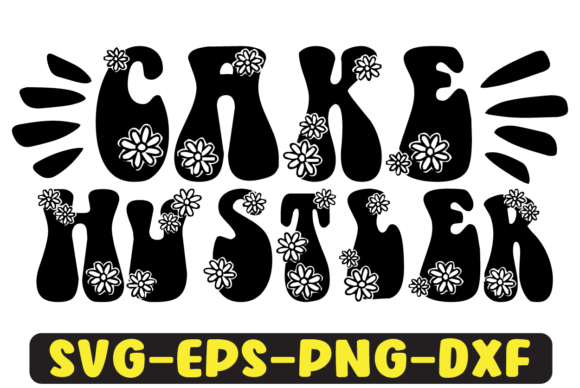
The first thing that strikes you about this design is its attitude. The retro aesthetic is not merely decorative; it carries a specific mood. It feels playful yet determined, tapping into that vintage typography style that has dominated social media and apparel trends for the last few years. For those of us in the Crafts and Graphics space, recognizing this visual language is crucial. It signals to the buyer that the item is current, stylish, and self-aware.
Visually, the layout is balanced. The curves of the lettering suggest movement, which is excellent for embroidery because straight, rigid lines can sometimes look stiff when stitched out. However, the "retro" aspect often implies thick, bold strokes. From a technical standpoint, this is a double-edged sword. Bold shapes allow for beautiful, solid fill stitch coverage, creating a premium, textured look. But they also demand precision. If the digitizing is poor, those thick areas can become dense mats of thread that pull the fabric out of shape. My initial review suggests the shapes are clean, but they require careful handling during the stitching process.
The Real-World Test: From Screen to Sweatshirt
To truly understand the value of the Cake Hustler Quote Retro Svg Design, I imagined a specific scenario. A client wants a custom sweatshirt embroidery piece for their small bakery brand. They want something that says they work hard but have fun doing it. This design fits that brief perfectly. When I visualize this on a heavyweight cotton blend hoodie, the retro font pops against the textured fabric.
In this context, the design acts as a centerpiece. It is not a subtle accent; it is a statement. For an Etsy seller or a small shop product owner, this is valuable. Items with strong textual messages tend to perform well because they communicate identity instantly. Whether it is for a baker, a confectionery enthusiast, or someone who simply loves a good pun, the relatability of the quote drives engagement. I can easily see this working as a personalized gift for a friend who has started their own cake business. The emotional connection adds value beyond the cost of the thread and fabric.
Versatility Across Product Lines
Beyond sweatshirts, where else does this design shine? I considered its application on a canvas tote bag design. Canvas is forgiving and sturdy, making it an ideal substrate for heavier designs. The retro vibe pairs naturally with the eco-friendly, artisanal feel of a tote bag. It could also work beautifully on an apron, turning a functional kitchen item into a piece of wearable art for a home baker.
However, versatility has limits. While the product description mentions it is a printable sublimation design suitable for onesies and t-shirts, my focus here is strictly on embroidery. Translating a print-ready SVG into a machine embroidery design requires digitizing expertise. If you are using this as a base for creating your own digital embroidery file, you must consider scale. On a baby onesie, the design might need to be significantly reduced. This brings us to the critical technical considerations.
Technical Challenges and Stitching Strategy
Here is where the experienced eye must take over. Retro fonts often feature tight kerning and intricate serifs or decorative ends. In embroidery, tiny details can get lost. If you are planning to stitch this on a cap or a curved surface, you must be wary of distortion. Curved fabrics stretch differently than flat panels, and a dense design can cause puckering if not properly stabilized.
Stitch density is the primary concern. If the original SVG has very thick letterforms, converting them directly to satin stitches might result in a width that exceeds machine capabilities or creates excessive bulk. A skilled digitizer would likely break these large areas into smaller segments or use a combination of satin stitch borders with lighter fill interiors. Alternatively, considering an applique design approach could be smart. Using fabric to fill the large letters and then stitching around the edges reduces thread count, saves time, and gives a distinct, layered look that fits the retro aesthetic perfectly.
Fabric choice matters immensely. On thin or stretchy fabrics, this design could be problematic without the right stabilizer. A cut-away stabilizer would be my recommendation for any garment that will be washed frequently, such as a t-shirt or hoodie. For a decorative pillow or a wall hanging, a tear-away might suffice, but for custom apparel that needs to last, you cannot skimp on stabilization. Always test on scrap fabric first. Check how the thread colors interact with the fabric background. High contrast is key for readability, especially with stylized fonts.
Commercial Viability and Brand Consistency
For commercial embroidery professionals and craft business owners, the question is always about return on investment. Does this design sell? The "Cake Hustler" theme targets a specific niche: bakers, dessert lovers, and entrepreneurial spirits. Niches are profitable because they allow for targeted marketing. By using this design, you are not just selling a stitched item; you are selling an identity.
When listing this as a finished product on platforms like Etsy, presentation is everything. Use high-quality printable mockup images to show the design on various items. Show it on a dark hoodie, a light tote, and perhaps a kitchen towel. This helps customers visualize the end result. Remember, while the source file is described as a printable sublimation design, your value add as an embroiderer is the texture and durability of the stitched version. Emphasize the tactile quality of the embroidery in your product descriptions.
Be mindful of licensing. Since this is a design asset sourced from a third party, always confirm the terms before selling finished items. Some creators allow commercial use for physical products but restrict the resale of the digital file itself. Ensure you are compliant to protect your small business reputation.
Final Verdict: A Strong Contender with Caveats
The Cake Hustler Quote Retro Svg Design is a strong candidate for your next project, provided you approach it with technical diligence. It has the visual appeal to catch the eye and the thematic relevance to resonate with a specific audience. It works best on medium-to-heavyweight fabrics where the stitches can sit proudly without distorting the material.
My advice is simple: do not rush the digitizing process. Respect the complexity of the retro shapes. Test your hoop size constraints, especially if you are working with smaller items like baby clothes or patches. If you nail the execution, this design can elevate a simple garment into a standout handmade product that customers are proud to wear and share. It is a reminder that in the world of embroidery, the best designs are those that balance artistic flair with mechanical reality.