Reviewing You Stole My Heart for Real Embroidery Projects
As a designer who spends more time staring at stitch simulations than I do sleeping, I have learned that not every digital file translates well to thread. We see thousands of design assets flooding the market, but few stand up to the rigors of actual machine work. Today, I am putting You Stole My Heart under the microscope. This is not just about whether it looks cute on a screen; it is about how it performs when the needle hits the fabric. For Etsy sellers, craft business owners, and serious hobbyists, understanding the practical application of a machine embroidery design is the difference between a bestseller and a hoop nightmare.
First Impressions: Mood and Visual Personality
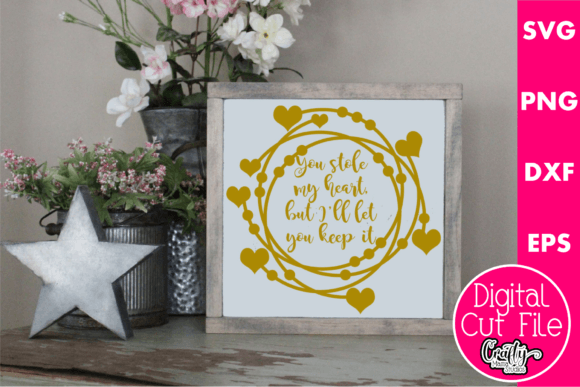
The first thing that strikes me about You Stole My Heart is its inherent warmth. It does not try too hard. The layout suggests a balance between playful romance and clean typography, which is essential for modern personalized gift items. When evaluating a love quote svg or similar graphic, I look for visual weight. Is it too heavy? Too light? This design appears to have a confident presence without being overwhelming.
The theme is universally appealing, making it a strong candidate for various Crafts categories. Whether you are creating holiday embroidery for Valentine’s Day or a year-round custom apparel line, the mood fits. The visual personality leans towards sweet and sincere, avoiding the overly cheesy tropes that can sometimes plague couple svg markets. For a designer, this means the piece is versatile enough to be adapted for different target audiences, from young couples to established partners celebrating anniversaries.
Real-World Application: From Screen to Stitch
Let us move beyond theory and talk about real projects. I recently considered this design for a custom tote bag design project. Tote bags are notorious for showing every imperfection because the canvas texture is prominent. A design like You Stole My Heart needs to have sufficient density to cover the weave without looking like a solid block of plastic. If the original file is optimized for cutting machines like Cricut, as suggested by the inclusion of SVG and DXF formats, we must be cautious. Cutting files do not always translate directly to embroidery.
However, assuming this package includes a proper embroidery file format (such as PES, DST, or JEF, which are standard for machines), the application potential is vast. Imagine this stitched onto a heather grey sweatshirt embroidery project. The contrast between the soft fleece and the structured stitches would highlight the lettering beautifully. It also works exceptionally well for baby embroidery. Placed on a onesie or a burp cloth, the sentiment is tender and appropriate. For small shop product lines, this versatility is key. You are not limited to one niche; you can market it across multiple categories.
Another excellent use case is the embroidered patch. Patches require designs that hold their shape when cut out. If You Stole My Heart features clean edges and minimal stray threads in its digitized form, it becomes a high-value item for boutiques. Patches are low-risk for sellers because they can be produced in batches and applied to various garments later, reducing the risk of ruining expensive finished garments.
Technical Considerations and Fabric Challenges
Here is where experience matters. Not every fabric behaves the same way. When working with stretchy fabric like jersey knits for t-shirts, stability is your biggest enemy. If the stitch density of You Stole My Heart is too high, the fabric will pucker. If it is too low, the background fabric will show through, ruining the legibility. I always advise testing on scrap fabric first. Use a cut-away stabilizer for knits to ensure the design remains flat after washing.
For dark fabric applications, such as a navy hoodie or black cap, you must consider thread colors. A white or light pastel thread will pop, but if the design has intricate details, ensure the digitizing accounts for underlay stitches. Poor underlay on dark fabrics leads to shadowing, where the dark fabric peeks through the top stitches. This is a common issue with poorly converted digital embroidery file packages that claim to be universal but lack specific optimization for dark backgrounds.
Curved surfaces, like caps and hats, present another challenge. The design must be narrow enough to fit within the curved hoop area without distorting. If You Stole My Heart has wide horizontal spacing, it might wrap awkwardly around the front panel of a baseball cap. In such cases, resizing is necessary, but be careful not to make the text so small that the running stitch or satin stitch elements lose definition. Tiny lettering on textured caps often becomes unreadable.
Commercial Viability and Brand Consistency
For commercial embroidery professionals, consistency is currency. Your customers expect the tenth item to look exactly like the first. You Stole My Heart must deliver reliable results. If the design uses complex fill stitch areas, check for jump stitches. Excessive jumps mean more trimming time, which eats into your profit margin. A clean, efficient pathing sequence is vital for high-volume production.
From a branding perspective, this design supports a cohesive aesthetic. If your handmade product line focuses on love, connection, and warmth, this asset reinforces that narrative. It enhances buyer engagement because it evokes an emotional response. People do not just buy embroidery; they buy the feeling it represents. A well-executed finished product featuring this design can command a higher price point because it feels thoughtful and professional.
When creating printable mockup images for your online store, ensure the digital representation matches the physical reality. Misleading previews lead to returns and negative reviews. Use the included PNG files to create realistic composites, but always verify the actual stitch output against the mockup.
Practical Designer Notes for Best Results
- Test Before You Sell: Never assume a file is perfect. Stitch out You Stole My Heart on the exact fabric you plan to sell. Check for puckering, thread breaks, and color accuracy.
- Check Licensing: The description mentions digital download and various formats. Confirm whether the license allows for commercial use of finished goods. Most designers allow selling physical items but prohibit reselling the digital file itself.
- Contrast is Key: Ensure your thread colors contrast sufficiently with the fabric. High contrast improves readability and visual appeal.
- Stabilizer Selection: Match your stabilizer to your fabric. Use tear-away for stable wovens and cut-away for stretchy knits. This prevents distortion and ensures longevity.
- Hoop Size Verification: Confirm the design fits your available hoops. If you only have a 4x4 inch hoop, ensure the design dimensions are compatible without excessive resizing that compromises quality.
- Inspect Small Details: Zoom in on the digitized file. Look for overlapping stitches or unnecessary nodes that could cause thread bunching. Clean up any issues before production.
Final Verdict
You Stole My Heart is a promising addition to any designer’s library, provided it is handled with technical care. It bridges the gap between sentimental value and commercial viability. For Graphics enthusiasts transitioning into embroidery, remember that thread behaves differently than ink or vinyl. Respect the material, test rigorously, and this design can become a staple in your small business merchandise lineup. Whether for a wedding gift, a kitchen towel, or a boutique pillow cover, the emotional resonance of the message combined with precise stitching creates a product that people cherish. That is the ultimate goal of our craft.