Reviewing Time is an Illusion... Lunchtime is Doub for Embroidery
As a designer who spends more time staring at stitch simulations than I do sleeping, I have learned that not every cute graphic translates well to thread. We live in an era where digital assets are abundant, but finding a machine embroidery design that actually holds up under the needle requires a critical eye. Recently, I pulled the file titled Time is an Illusion... Lunchtime is Doub into my workspace to evaluate its potential for real-world projects. This isn’t just about whether the quote is funny—though it certainly is—but whether the underlying structure supports the kind of professional finish my clients expect.
First Impressions: Mood and Visual Personality
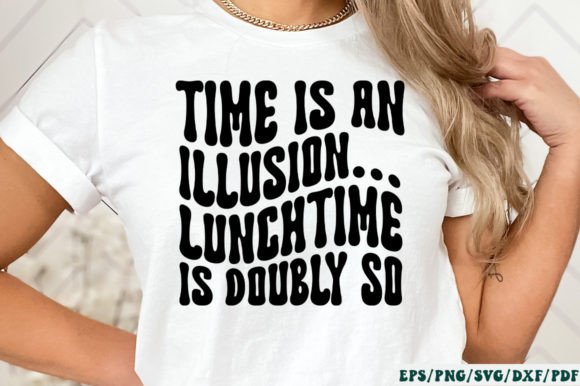
The first thing that strikes you about Time is an Illusion... Lunchtime is Doub is its retro aesthetic. It taps into that nostalgic, slightly weary humor that resonates deeply with office workers, teachers, and anyone who has ever stared at a clock willing the day to end. From a Graphics perspective, the layout feels balanced. The typography likely plays a central role here, mixing bold statements with playful quirks. For an embroidery project, this mood is gold. It is relatable, shareable, and inherently giftable.
However, visual appeal on a screen is different from tactile reality. When I look at this design, I am immediately thinking about stitch density. Retro fonts often rely on thick, blocky letters or intricate serif details. If the design relies too heavily on dense fill stitch areas without proper underlay, it can pull on the fabric, causing puckering. Conversely, if it uses too much running stitch for outlining, it might lack the substance needed to stand out on textured materials. The key is finding that sweet spot where the humor lands without compromising the structural integrity of the garment.
Real-World Application: The Tote Bag Test
To truly test Time is an Illusion... Lunchtime is Doub, I imagined applying it to a heavy canvas tote bag. This is a staple product for any Etsy seller or craft business owner. Canvas is forgiving, but it is also unforgiving of poor digitizing. A tote bag gets thrown around, stuffed with groceries, and washed occasionally. The design needs to survive this abuse.
In this scenario, the retro vibe of the SVG fits perfectly. It suggests a laid-back, ironic approach to life. When stitched onto a natural cotton canvas, the contrast between the modern cynicism of the quote and the rustic texture of the fabric creates a compelling handmade product. I would recommend using high-contrast thread colors here. A deep navy or charcoal thread on a beige bag would make the text pop, ensuring readability from a distance. This is crucial for small shop product visibility in online listings and at craft fairs.
Apparel and Custom Gifts
Beyond totes, this design shines in custom apparel. Imagine it embroidered on the chest of a oversized sweatshirt or the back of a work apron. For a sweatshirt, the fleece provides a plush background that can hide minor imperfections in stitch coverage, making it a safe bet for beginners. However, for a work apron, durability is key. You would want to ensure the design doesn’t have excessive jump stitches that could snag on kitchen tools or office supplies.
As a personalized gift, this item works wonders for colleagues or friends who appreciate dry humor. It moves beyond generic "Best Mom" or "Happy Birthday" tropes, offering something with personality. This specificity drives buyer engagement. When customers see a design that speaks to their specific sense of humor, they are more likely to convert. It transforms a simple piece of clothing into a statement piece.
Technical Considerations and Fabric Choices
While the concept is strong, the execution depends heavily on your material choices. Here is where experience matters. If you are planning to stitch Time is an Illusion... Lunchtime is Doub on thin or stretchy fabric, such as a tri-blend t-shirt or a baby onesie, you must proceed with caution. Thin fabrics cannot support high stitch density. If the design is too dense, it will stiffen the fabric, making it uncomfortable to wear and prone to tearing.
For these delicate applications, I recommend checking if the file includes a lighter version or adjusting the density in your software if you have the skills. Always use a appropriate stabilizer. A cut-away stabilizer is generally safer for garments that will be washed frequently, as it provides long-term support. Tear-away might suffice for decorative items like pillow covers, but for sweatshirt embroidery or daily-wear items, cut-away is the professional standard.
Another critical factor is hoop size. Before purchasing or downloading, confirm that the design fits within your machine’s maximum hoop area. There is nothing more frustrating than loading a file only to realize it is two inches too wide for your 5x7 hoop. Since this is a quote-based design, the width is likely the limiting factor. Measure your intended placement area on the garment before you hit start.
Navigating File Formats and Licensing
The product description notes that the download includes SVG, DXF, PNG, EPS, and PDF formats. It is important to clarify a common misconception among new makers: SVG and DXF files are primarily vector graphics used for cutting machines like Cricut or Silhouette, or for print-on-demand services. They are not native embroidery files. To use this design for machine embroidery, you typically need PES, DST, JEF, or EXP formats, depending on your machine brand.
If the package does not explicitly list embroidery-specific formats, you may need to use digitizing software to convert the SVG into a stitch file. This requires skill. Auto-digitizing often results in poor quality, with excessive thread breaks and messy backs. If you are not a digitizer, look for sellers who provide pre-digitized embroidery files. If this product is strictly a graphic asset for printing or cutting, adjust your project plan accordingly. Always verify the license terms. Can you use this for commercial embroidery? Can you sell finished items? These questions must be answered before you invest time in production.
Enhancing Value and Brand Consistency
Using a well-chosen design like Time is an Illusion... Lunchtime is Doub can elevate your brand. It shows that you understand current cultural trends and have a sense of humor. This builds trust with your audience. When you present a finished product that is both technically sound and emotionally resonant, you justify higher price points. Customers are not just buying thread on fabric; they are buying a feeling, a joke, a moment of relief.
To maximize this, consider how you photograph the item. A printable mockup can help visualize the design, but real photos on actual fabric sell the dream. Show the texture of the thread. Show the drape of the shirt. Highlight the quality of the stitching. These details reassure buyers that they are investing in a premium embroidered patch or garment, not a mass-produced import.
Final Verdict for Makers
In conclusion, Time is an Illusion... Lunchtime is Doub is a promising asset for the right project. Its strength lies in its relatability and retro charm. However, success depends on technical diligence. Test on scrap fabric first. Check your thread color contrast. Respect the limitations of your fabric and hoop. Whether you are creating holiday embroidery gifts or stocking your small shop with witty apparel, this design can be a standout performer if handled with care. Remember, the best embroidery designs are those that disappear into the fabric, leaving only the message and the quality of the craft to speak for themselves.