Review: When in Doubt Add Bacon for Embroidery
As a designer who spends more time staring at stitch previews than I care to admit, I have learned that not every cute graphic translates well to thread. We live in an era where digital assets are abundant, but finding a machine embroidery design that actually holds up under the needle is a different challenge entirely. Recently, I pulled up the When in Doubt Add Bacon file to evaluate its potential for a client’s kitchenware line. What started as a quick check turned into a deeper look at how this specific piece of Graphics content performs in the real world of Crafts and custom apparel.
First Impressions: Mood and Visual Personality
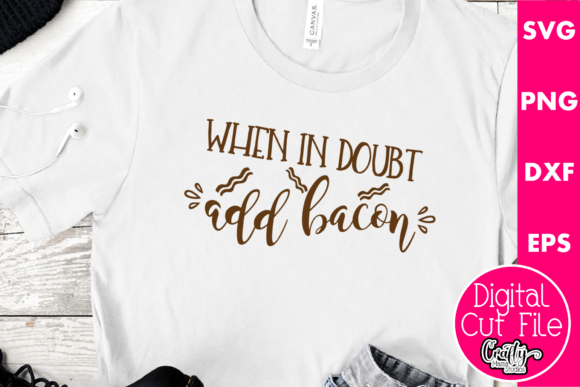
The immediate appeal of When in Doubt Add Bacon lies in its sarcastic, lighthearted tone. It taps into a universal humor that resonates with foodies, home cooks, and anyone who appreciates a good breakfast meme. Visually, the layout is straightforward, which is often a blessing in embroidery. Complex, overly detailed illustrations can turn into a tangled mess of thread breaks and bird’s nests on the bobbin side. This design, however, relies on clear shapes and legible typography.
The mood it creates is casual and inviting. It does not try to be high-art; it tries to be relatable. For an embroidery project, this is crucial. The visual personality suggests warmth and comfort, making it a natural fit for items associated with home and hearth. When I first loaded the preview, I noticed the balance between the text and the graphical element. It feels grounded, not top-heavy, which is essential when you are working with the physical constraints of a hoop.
Real-World Application: From Screen to Stitch
To truly test a design, you have to imagine it on a finished product. I envisioned this design on a set of flour sack tea towels for a boutique client. The When in Doubt Add Bacon motif works exceptionally well here because kitchen textiles are low-stress environments for embroidery. They are usually made of stable, woven cotton, which handles stitch density well without puckering.
Beyond towels, I see strong potential for this design in custom apparel. Imagine it centered on the chest of a heather grey sweatshirt. The contrast between the playful message and the cozy fabric creates a product that sells itself. It is the kind of personalized gift that people buy for Father’s Day, housewarmings, or just because. For Etsy sellers and small shop product creators, this versatility is key. You are not limited to one niche; you can market it to bacon lovers, chefs, or anyone with a sense of humor about their cooking habits.
I also considered its use on tote bags. A canvas tote bag design featuring this quote could be a hit at farmers' markets. The sturdy fabric supports the weight of the stitches, and the large surface area allows the design to breathe. However, I would caution against using it on very thin or stretchy fabrics without significant stabilization. The text elements need to remain crisp, and fabric distortion can ruin the readability of the punchline.
Technical Considerations for the Embroiderer
While the design is charming, technical execution is where many projects fail. Here is what I observed when thinking through the stitching process:
- Stitch Density and Type: Without seeing the exact file parameters, I assume a mix of fill stitch for any solid graphic elements and satin stitch or column stitches for the lettering. If the text is small, ensure the satin columns are not too wide, or they will snag. Always check the stitch density in your software. If it looks too dense for a lightweight fabric, reduce the density or add a tear-away stabilizer.
- Hoop Size: This design likely fits comfortably in a standard 4x4 or 5x7 hoop. Confirm the dimensions before purchasing. If you plan to use it on a cap, ensure the design height fits within the curved area of the front panel. Curved surfaces distort designs, so a simpler layout like this is safer than intricate scenes.
- Thread Colors: The success of this design hinges on contrast. Bacon implies reds, browns, and pinks. On a white towel, these pop beautifully. On a dark navy shirt, you might need to adjust the palette or use a lighter underlay to prevent the fabric from showing through. Test your thread colors on scrap fabric first. A printable mockup can help visualize this, but nothing beats a physical test stitch.
- Stabilizer Choice: For woven fabrics like towels or aprons, a cut-away stabilizer provides long-term durability, especially if the item will be washed frequently. For knit fabrics like t-shirts, use a hoop-and-stick method with a tear-away or cut-away depending on the garment's value and expected lifespan.
Where to Use Caution
Not every project is a good match. I would hesitate to use When in Doubt Add Bacon on items with heavy texture, such as thick terry cloth robes, unless the design is simplified. The loops of the towel can obscure fine details in the lettering. Similarly, avoid placing it on areas of high friction, like the inner elbow of a sleeve or the seat of pants, unless you are using a durable embroidered patch approach instead of direct stitching.
If you are creating baby embroidery items, consider the softness of the backing. While the design is funny, babies have sensitive skin. Ensure that the back of the stitching is covered with a soft iron-on backing or that the design is placed on an outer layer where it won't rub against skin. Also, verify that the threads used are colorfast and safe for frequent hot washing, which baby items often require.
Commercial Viability and Brand Consistency
For commercial embroidery professionals and craft business owners, this design offers solid value. It is evergreen. Bacon humor does not go out of style quickly. This means you can create inventory without worrying about seasonal trends fading. It enhances brand consistency if your shop focuses on kitchenware, humorous gifts, or rustic decor.
Customer trust is built on quality. A clean, well-digitized embroidery file results in a professional-looking finished product. If the letters are jagged or the fill is gappy, customers will perceive the item as cheap. Since the product description mentions files have been cut tested on a Titan 3 cutter, it suggests attention to detail in the vector phase, which often correlates with good digitizing practices. However, always inspect the digital embroidery file yourself before running it on a production machine.
Final Verdict for Designers and Makers
The When in Doubt Add Bacon design is a strong contender for your library of design assets. It balances humor with visual clarity, making it suitable for a wide range of applications from holiday embroidery gifts to everyday custom apparel. Its strength lies in its simplicity and relatability.
Before you commit to a large run, remember to:
- Check the license terms. Can you sell finished items? Are there restrictions on quantity?
- Run a test stitch on your intended fabric with your chosen stabilizer.
- Verify the hoop size compatibility with your machine.
- Assess the stitch count to ensure it aligns with your production time goals.
In the end, this design earns its place in a practical maker’s toolkit. It is not just a funny quote; it is a viable commercial product waiting to be stitched. Whether you are an experienced Etsy seller or a hobbyist looking for a fun weekend project, this design offers a reliable path to a satisfying handmade product. Just keep your tension dialed in, and let the bacon do the talking.