Review: Going to Therapy is Cool SVG for Embroidery
As a designer who spends half my life digitizing files and the other half testing them on actual fabric, I have learned that not every trendy graphic translates well to thread. We live in an era where mental health awareness is not just a conversation but a visual language. When I first encountered the Going to Therapy is Cool Svg Design, my initial reaction was one of cautious optimism. The retro aesthetic is undeniably popular right now, bridging the gap between vintage nostalgia and modern self-care advocacy. But does it hold up under the needle? Can it move from a digital asset in the Crafts and Graphics category to a high-quality finished product?
I decided to put this design through its paces, treating it not just as a printable sublimation file, but as a potential centerpiece for a custom embroidery project. Here is my practical assessment of how this design performs in the real world of handmade goods.
First Impressions: Mood and Visual Personality
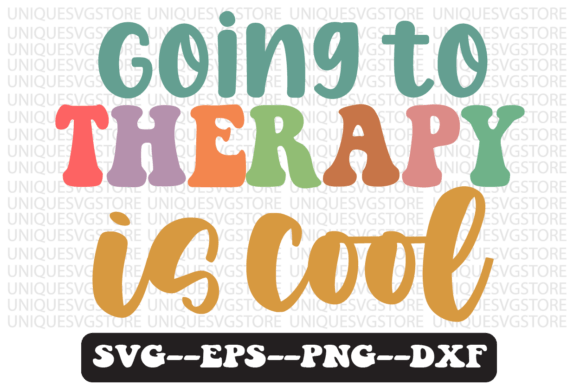
The immediate appeal of the Going to Therapy is Cool Svg Design lies in its typography and layout. It carries a bold, confident mood that feels approachable rather than clinical. For embroidery designers, this is crucial. We are not just stitching words; we are stitching attitude. The retro styling suggests a certain warmth, making it ideal for items meant to comfort or empower the wearer.
Visually, the design relies heavily on letterform integrity. In the world of machine embroidery design, text-heavy graphics are notoriously tricky. If the curves are too tight or the spacing too narrow, the thread will bridge gaps or bunch up. Looking at this SVG, the shapes appear robust enough to handle conversion into satin stitches or fill stitches, provided the digitizer pays attention to the negative space. It feels like a design that belongs on everyday carry items—things people touch and see often, reinforcing the positive message.
Real-World Application: From Digital File to Finished Product
To truly evaluate this asset, I imagined a specific scenario: a small batch of custom tote bags for a local wellness workshop. Tote bags are a staple for any Etsy seller or craft business owner because they offer a large, flat canvas. Using the Going to Therapy is Cool Svg Design here allows for a larger hoop size, which reduces the risk of distortion.
Beyond totes, I see strong potential for this design in sweatshirt embroidery. A crewneck sweatshirt provides the stability needed for heavier thread weights. Imagine this stitched in a soft cream thread on a heather grey hoodie. The contrast would be subtle yet readable, appealing to customers who prefer understated branding over loud statements. It also works beautifully for personalized gift markets. For a friend going through a tough time, a pillow cover or a kitchen towel featuring this quote becomes a tangible reminder of support.
However, versatility is key. While the product description highlights its use for T-shirts and onesies, I would advise caution with baby items. While baby embroidery is a lucrative niche, the retro font style might need scaling down significantly for a onesie. Smaller scales increase the risk of stitch density issues, where the fabric puckers because there is too much thread in too small an area. For infant wear, I would recommend testing a simplified version or ensuring the design is resized without losing legibility.
Technical Considerations for Stitching Success
Transitioning from a vector SVG to a functional embroidery file requires technical diligence. Since this is sold primarily as a printable product for sublimation, those of us in the embroidery world must ensure we have the rights and the technical capability to convert or source a compatible format. If you are digitizing this yourself, pay close attention to the corners of the letters. Sharp angles in retro fonts can cause thread breaks if not properly under-stitched.
Stitch density is another critical factor. Retro designs often feature thick, blocky letters. If you use a standard fill stitch without adjusting the density, the result can be stiff and cardboard-like. I recommend using a lighter fill pattern or incorporating running stitches for internal details to keep the fabric flexible. This is especially important for custom apparel that needs to drape naturally against the body.
Fabric choice plays a massive role here. On textured fabrics like terry cloth towels or fuzzy fleece, fine details get lost. The Going to Therapy is Cool Svg Design relies on clear lines, so it performs best on smooth, tightly woven cottons or stable knits. If you are working with stretchy fabric, a cut-away stabilizer is non-negotiable to prevent the design from warping after washing. For caps or curved surfaces, the layout might need adjustment to account for the curvature, ensuring the text doesn't appear to bow unnaturally.
Navigating Challenges: Where to Be Careful
While the design is strong, it is not without its pitfalls. Small hoop sizes, such as 4x4 inches, may force you to shrink the design to fit. At smaller scales, the distinction between letters can blur. I always advise testing the design on scrap fabric first. Check the thread color contrast rigorously. A low-contrast combination, like light grey on white, might look chic in a printable mockup but disappear entirely in real life under store lighting.
Additionally, consider the end-user’s lifestyle. Items like embroidered patches or jackets are durable, but delicate items like silk scarves or thin rayon shirts may not support the weight of the stitching. If you are creating a small shop product line, ensure you are matching the design complexity to the garment quality. A heavy stitch count on a thin tee shirt will pull and distort, leading to customer dissatisfaction.
Enhancing Brand Value and Customer Trust
From a business perspective, using relevant and timely designs like Going to Therapy is Cool Svg Design can significantly boost buyer engagement. Mental health awareness is a powerful connector. When customers see a well-executed piece of commercial embroidery that speaks to their values, it builds trust. It shows that the maker is attuned to current cultural conversations.
For digital product sellers and design assets creators, offering this as part of a broader collection of wellness-themed graphics can enhance brand consistency. However, professionalism is paramount. Sloppy stitching or poor color choices can undermine the message. Ensure that your finished product reflects the care and intention behind the quote. High-quality thread colors, proper tension, and clean backings all contribute to the perceived value of the item.
Final Designer Notes
Before you commit to a large production run or list this as a new item in your store, take these practical steps:
- Verify Licensing: Since this is marketed as a printable SVG, confirm whether the license extends to physical embroidered goods for sale. Never assume; always check.
- Test on Multiple Fabrics: Stitch out samples on cotton, polyester, and blends to see how the thread interacts with different textures.
- Check Stabilizer Compatibility: Match your stabilizer to the fabric weight. A heavy design on light fabric needs robust support.
- Review Legibility: Step back from your machine. Can you read the message clearly from three feet away? If not, adjust the size or thread color.
- Consider Washability: Test a sample through a wash cycle to ensure the threads do not bleed or fray excessively.
In conclusion, the Going to Therapy is Cool Svg Design is a promising asset for the modern maker. It bridges the gap between digital trends and tactile craftsmanship. With careful attention to digitization, fabric selection, and stitching technique, it can become a standout piece in your portfolio. Whether you are creating holiday embroidery gifts or stocking your Etsy shop with year-round essentials, this design offers a meaningful way to connect with your audience through the art of stitch.