Review: No Filter Funny T-shirt SVG for Embroidery
As a designer who has spent countless hours digitizing and testing files for real-world application, I approach every new machine embroidery design with a healthy dose of skepticism. We have all been there: you download a file that looks crisp on the screen, only to watch it turn into a tangled mess of thread breaks and puckering once it hits the hoop. That is why I took a close look at the No Filter - Funny T-shirt SVG before committing it to any client project or personal craft business inventory. This isn’t just about whether the quote is funny; it is about whether the geometry holds up under the needle.
First Impressions and Visual Personality
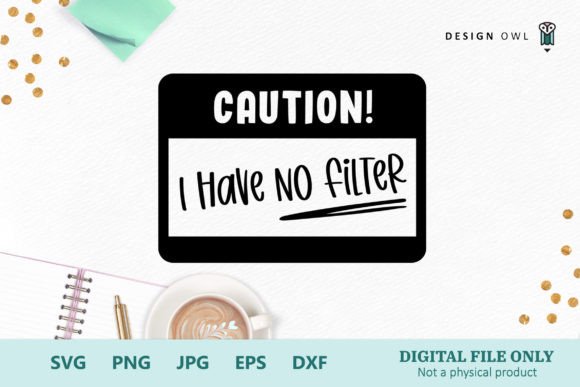
The phrase "Caution I Have No Filter" carries a bold, unapologetic mood. It is direct, slightly edgy, and perfectly suited for the current market trend of honest, humorous apparel. From a graphical standpoint, the layout relies heavily on typography. For an embroidery project, this presents both an opportunity and a challenge. Text-based designs live or die by their kerning and stroke weight. If the letters are too thin, they vanish into the fabric texture. If they are too dense, the garment becomes stiff and uncomfortable.
When I first loaded the digital embroidery file into my viewing software, I was looking for clean vector paths. Since this is marketed as an SVG cut file design, it implies clean lines that should translate well to digitizing. However, for those of us using it for stitching rather than vinyl cutting, the conversion process is critical. The visual personality is modern and minimalist, which means it lacks decorative flourishes to hide mistakes. Every stitch must be precise. This design naturally belongs on casual wear—think weekend hoodies, gym bags, or statement tees—where the message is the hero.
Real-World Application: The Tote Bag Test
To truly evaluate the No Filter - Funny T-shirt SVG, I decided to run a practical test. I chose a heavy-weight canvas tote bag design scenario. Canvas is forgiving, but it also highlights poor tension control. I positioned the text centrally, aiming for a balanced look that would appeal to an Etsy seller looking for quick-turnaround items.
The result was surprisingly effective, provided I adjusted the scale appropriately. On a standard tote, the text needed to be large enough to ensure readability from a distance. The bold nature of the phrase meant that a simple running stitch outline wasn't enough; it required a solid fill to pop against the textured background. I opted for a high-contrast thread color—bright white on natural canvas—which enhanced the legibility. This kind of personalized gift item sells well because it feels custom without requiring complex multi-color changes. Customers appreciate the clarity of the message, and the sturdy fabric supports the weight of the stitching without warping.
Sweatshirts and Custom Apparel Considerations
Moving from canvas to knit fabrics, I tested the design on a fleece-lined sweatshirt. This is where the rubber meets the road for custom apparel. Fleece is thick and plush, which can swallow small details. Here, the simplicity of the Graphics in this category works in your favor. Complex, tiny lettering would have gotten lost in the pile of the fabric. By keeping the design relatively large and using a satin or dense fill stitch, the text remained sharp.
However, I noticed that the stretch of the fabric required careful attention to the stabilizer. A cut-away stabilizer was non-negotiable here to prevent the design from distorting after washing. For an embroidered patch application, this design would also work beautifully, allowing you to create iron-on accessories that customers can add to jackets or hats later. This versatility makes it a strong candidate for small shop product lines that rely on mix-and-match merchandise.
Where to Use Caution
While the design is robust, it is not universal. There are specific scenarios where I would advise against using this file without significant modification. First, avoid using it on very thin or delicate fabrics like silk or lightweight rayon blends. The density required to make the text readable will likely cause severe puckering, ruining the drape of the garment. Similarly, be cautious with curved surfaces like caps. Unless the design is specifically digitized for a cap frame with appropriate pull compensation, the text may arch unnaturally or distort across the seam.
Another area of concern is small hoop sizes. If you are trying to fit this onto a 4x4 inch hoop for a baby item or a pocket detail, you will likely need to reduce the size significantly. At smaller scales, the inner spaces of letters like 'e', 'a', and 'o' may close up, turning legible text into blobs. Always check the minimum recommended size. If the provider does not specify stitch count or recommended hoop dimensions, you must test on scrap fabric first. Never assume a cut file SVG is ready for immediate embroidery without verifying the digitizing quality.
Enhancing Product Value and Brand Consistency
For commercial embroidery professionals, the value of a design lies in its reliability and marketability. The No Filter - Funny T-shirt SVG offers high marketability due to its trending humor. It fits seamlessly into niches focused on introverts, tech workers, or anyone who appreciates blunt honesty. When used correctly, it enhances brand consistency for shops that focus on modern, witty design assets.
The visual appeal directly impacts customer trust. A clean, well-stitched design signals professionalism. Conversely, loose threads or misaligned text can deter repeat buyers. By ensuring high thread colors contrast and proper tension, you elevate the perceived value of the finished product. This is particularly important for holiday embroidery gifts or boutique branding, where presentation is everything. A well-executed version of this design can serve as a staple item in your catalog, driving engagement through social media shares due to its relatable content.
Practical Designer Notes for Success
Before you list this as a printable mockup or start stitching for clients, keep these technical checks in mind:
- Test on Scrap Fabric: Always run a test stitch-out on the same material you plan to use for the final product. Check for registration issues and thread breaks.
- Check Thread Contrast: Ensure your thread color stands out against the fabric texture. Low-contrast combinations can make the text hard to read, defeating the purpose of the quote.
- Review Stitch Density: If you are digitizing this from the SVG yourself, pay close attention to density. Too high, and the fabric puckers; too low, and the backing shows through.
- Confirm Licensing: Since this is a digital product, verify whether the license allows for commercial use. Many SVGs are for personal use only. Confirm this before selling handmade products on platforms like Etsy.
- Inspect Small Details: Zoom in on the curves of the letters. Jagged edges in the source file will translate to jagged stitches. Smooth out paths if necessary.
In conclusion, the No Filter - Funny T-shirt SVG is a viable asset for the modern maker, provided it is treated with technical respect. It bridges the gap between digital Crafts and tangible textile art. By understanding its limitations regarding fabric type and hoop size, and by prioritizing high-quality execution, you can transform a simple funny quote into a profitable, professional-grade embroidery file addition to your portfolio. Whether for a baby embroidery project, a rugged apron, or a stylish pillow cover, the key is adapting the technique to the medium. With the right stabilizer and thread choice, this design delivers the punchy aesthetic today’s buyers are looking for.