Review: My Circle is so Small I Started Talking
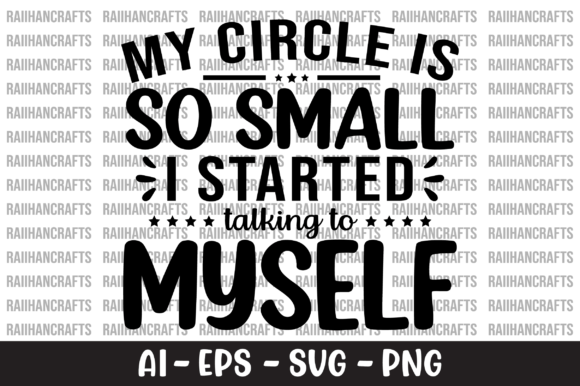
As a designer who has spent years staring at digitized files and watching needles punch through fabric, I have learned that not every graphic translates well into thread. We often see clever typography or witty phrases in the Crafts and Graphics categories that look fantastic on a screen but become a nightmare when stitched out. That is why I approach new assets with a critical eye. Recently, I evaluated the design titled My Circle is so Small I Started Talking. This piece is more than just a humorous quote; it is a test of layout balance, stitch clarity, and audience connection. Here is my practical assessment of how this design performs in real-world embroidery projects.
First Impressions and Visual Personality
The immediate appeal of My Circle is so Small I Started Talking lies in its relatable humor. It targets a specific demographic—introverts, homebodies, and those who value deep connections over large social networks. From a design perspective, the layout needs to support this message without becoming cluttered. When I first loaded the file, I looked for clean lines and adequate spacing between letters. In embroidery, negative space is just as important as the stitches themselves. If the text is too tight, the fabric will pucker, and the message will become illegible.
The mood of this design is casual yet confident. It does not try to be overly ornate. Instead, it relies on the strength of the statement. For an embroidery designer, this means the font choice is critical. A overly decorative script might get lost in the stitching, while a bold sans-serif might feel too aggressive for such a personal statement. The ideal execution here balances readability with a touch of personality, making it suitable for a wide range of handmade products.
Real-World Application: The Tote Bag Test
To truly understand the viability of this design, I imagined applying it to a standard canvas tote bag. This is a popular item for Etsy sellers and small shop products because it offers a large, flat surface area. The phrase My Circle is so Small I Started Talking works exceptionally well here. A tote bag is often a statement piece, carried by individuals who want to express their identity quietly but clearly.
In this scenario, the design would likely use a combination of fill stitch for larger elements and satin stitch for borders or emphasis. The contrast between the thread colors and the natural canvas texture is vital. I recommend using dark threads like navy, charcoal, or forest green on a natural or cream-colored bag. This ensures high visibility and gives the finished product a boutique quality. However, if you are using a dark fabric, you must ensure the design includes a proper underlay or consider a lighter thread color to maintain legibility.
Versatility Across Product Lines
Beyond tote bags, this design has strong potential in custom apparel. Imagine it embroidered on the chest of a cozy sweatshirt or the back of a denim jacket. The humor resonates with customers looking for personalized gifts that feel authentic rather than generic. It also fits well in the realm of holiday embroidery, particularly for gift-giving seasons where people buy for friends who appreciate wit and introversion.
For those running a craft business, this asset can be part of a broader collection. It pairs well with other introspective or humorous designs, creating a cohesive brand identity. Whether used for baby embroidery on a onesie (perhaps with a softer, cuter font variation) or on kitchen towels for a quirky home decor line, the core message remains engaging. The key is adapting the scale. A design that looks perfect on a pillow cover might need resizing for a cap or hat.
Technical Considerations for Stitching
While the concept is strong, the technical execution determines whether the project succeeds or fails. Here are the critical factors I evaluate before committing to a full production run:
- Hoop Size and Layout: Ensure the design fits comfortably within your hoop size. Crowding the edges can lead to distortion. For longer phrases like this, a rectangular hoop is often necessary to maintain aspect ratio without shrinking the text too much.
- Stitch Density: Check the density of the fill areas. If the design is too dense, it will make the fabric stiff and prone to puckering. This is especially important for stretchy fabric like t-shirts or knit sweatshirts. A lighter density allows the fabric to breathe and drape naturally.
- Small Details and Lettering: Inspect the tiny serifs or connectors in the font. In embroidery, extremely fine details can break or merge together. If the original digital embroidery file has intricate corners, consider simplifying them or increasing the overall size of the design to preserve clarity.
- Fabric Texture: Textured fabrics like terry cloth or waffle knit can obscure small stitches. For these materials, increase the stitch width slightly or choose a bolder font style to ensure the message reads clearly.
Navigating Challenges with Dark and Curved Surfaces
Using this design on curved surfaces, such as caps or hats, requires extra caution. The phrase is relatively long, so it may need to be arched carefully to follow the contour of the cap front. If the arch is too extreme, the text can become distorted. Always create a mockup to visualize how the curve affects readability. Additionally, when working on dark fabrics, thread color contrast is non-negotiable. A dark gray thread on a black shirt will vanish. Opt for bright whites, pastels, or metallic threads to make the design pop.
Another challenge is washability. Items like aprons and tea towels undergo frequent washing. To ensure longevity, use high-quality polyester or rayon threads that resist fading. Proper stabilization is also crucial. A cut-away stabilizer is often better for garments that will be washed repeatedly, as it provides lasting support and prevents the design from pulling out of shape over time.
Enhancing Brand Value and Customer Trust
For commercial embroidery professionals and apparel decorators, the quality of the stitch-out directly impacts brand reputation. A clean, well-digitized version of My Circle is so Small I Started Talking signals professionalism. Customers trust brands that deliver crisp edges and consistent tension. This design, when executed well, becomes a conversation starter. It adds value to the product not just through aesthetics, but through emotional connection.
When listing this item on platforms like Etsy, use clear photos that show the texture of the stitches. Close-up shots help buyers appreciate the craftsmanship. Mentioning that the design is optimized for minimal puckering can also boost buyer confidence. Remember, you are selling not just a design, but a feeling of belonging and humor.
Practical Designer Notes Before You Stitch
Before you launch this design into your design assets library or start producing inventory, take these practical steps:
- Test on Scrap Fabric: Always stitch a sample on the same type of fabric you plan to use for production. This reveals any tension issues or density problems.
- Check Thread Color Contrast: View your design in black and white mockups. If the design disappears in grayscale, it lacks sufficient contrast for real-world visibility.
- Verify Licensing: Confirm the license terms for the embroidery file. Ensure you have the right to use it for commercial purposes if you plan to sell finished items. Never assume; always read the terms provided by the creator.
- Inspect Small Details: Zoom in on the digitized file. Look for unnecessary jump stitches or complex paths that could slow down your machine or increase thread breaks.
- Consider Stabilizer Choice: Match your stabilizer to your fabric. Lightweight fabrics need tear-away or cut-away support, while stable canvases might only need a light backing.
In conclusion, My Circle is so Small I Started Talking is a versatile and engaging design for the modern maker. It bridges the gap between humor and style, making it a strong candidate for various embroidery projects. By paying attention to technical details like stitch density, fabric choice, and hoop placement, you can transform this digital graphic into a high-quality, tangible product that resonates with customers. Whether you are creating a personalized gift or stocking your small shop product line, this design offers a solid foundation for creative expression.