Review: I Wish More People Were Fluent in SVG
As a designer who has spent countless hours digitizing and testing files for real-world production, I have learned that the most impactful designs are often the simplest. When I first encountered I Wish More People Were Fluent in SVG, my immediate reaction was not just about the visual appeal, but about the clever double entendre embedded in the message. It speaks directly to our community of makers, digital product sellers, and embroidery enthusiasts who understand that vector fluency is a superpower in the modern craft economy. This review breaks down how this design performs when moved from a screen to actual fabric, offering practical insights for those looking to integrate it into their Crafts and Graphics portfolios.
First Impressions and Visual Personality
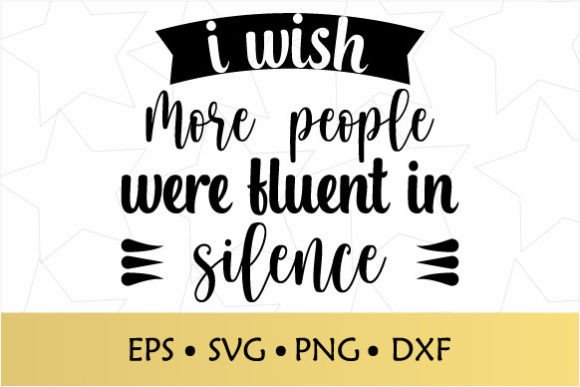
The design carries a mood that is both witty and professional. It is not overly decorative, which is a significant advantage for embroidery. Complex, busy designs often lose their legibility when stitched out, especially on textured fabrics. I Wish More People Were Fluent in SVG relies on clean lines and strong typography, making it an ideal candidate for machine embroidery where clarity is paramount. The layout feels balanced, suggesting that it was created with an understanding of how thread behaves differently than ink. For an Etsy seller or small shop owner, this kind of "quiet confidence" in a design can elevate a basic item into a boutique-quality piece.
Real-World Application: The Custom Tote Bag Test
To truly evaluate a design, you must imagine it in a specific context. I visualized this file applied to a heavy-duty canvas tote bag, a staple product for many craft business owners. Canvas has a distinct weave, and lightweight designs can sometimes get lost in the texture. However, because this design likely utilizes bold lettering, it holds its own against the fabric grain. Imagine stitching this in a contrasting thread color, such as deep navy on natural cotton or crisp white on black denim. The result is a personalized gift that feels intentional and modern.
Beyond tote bags, this design translates beautifully to sweatshirt embroidery. A left-chest placement on a high-quality crewneck creates a subtle, professional look suitable for creative entrepreneurs or tech-savvy makers. The simplicity ensures that the garment remains wearable and stylish, rather than looking like a walking billboard. This versatility is crucial for anyone selling custom apparel, as it allows the same digital embroidery file to serve multiple product lines without requiring significant redesign work.
Technical Considerations for Stitching
While the concept is strong, the execution depends heavily on how the file is digitized and how you prepare your machine. Since the product description notes that you receive AI and EPS files, it is important to clarify a critical point for embroidery users: these are vector graphics formats, not native embroidery formats like PES or DST. This means you will need to use embroidery software to convert the vector paths into stitches. This step gives you control over stitch density, underlay, and thread colors, but it also requires skill.
When converting this type of text-based design, pay close attention to stitch density. Text that is too dense can cause puckering, especially on stretchy fabrics like t-shirts or baby clothes. Using a combination of satin stitch for smaller elements and fill stitch for larger letters can help maintain stability. Always use a proper stabilizer—cut-away for knits and tear-away for wovens—to ensure the finished product lays flat. If you are new to digitizing, test the design on scrap fabric first. Check how the corners render and whether the spacing between letters allows for clean trimming if you are creating an embroidered patch.
Navigating Fabric and Hoop Constraints
One of the challenges with phrase-based designs is length. I Wish More People Were Fluent in SVG is a relatively long sentence. You must confirm your hoop size before beginning. A standard 4x4 inch hoop will likely be too small unless you significantly reduce the font size, which could compromise readability. A 5x7 inch or even a 6x10 inch hoop would be more appropriate to let the design breathe. If you are working with curved surfaces like caps, consider breaking the design into two lines or using a specialized cap frame to prevent distortion.
Fabric choice also plays a pivotal role. On thin or delicate fabrics, the weight of the thread can cause pulling. In such cases, consider using lighter weight threads or adjusting the stitch count in your software. For dark fabrics, ensure you have high-contrast thread colors to maintain visibility. A common mistake is choosing threads that are too similar in tone to the fabric, causing the message to blend in. Remember, the goal is communication; if the viewer has to squint to read the wit, the design has failed.
Commercial Value and Brand Consistency
For commercial embroidery projects, consistency is key. This design fits well within a brand identity that values intelligence, humor, and technical skill. It appeals to a niche audience—developers, designers, and digital creators—who appreciate the reference to SVG (Scalable Vector Graphics). By offering this on items like aprons, pillow covers, or tea towels, you create a cohesive collection that resonates with your target market. It enhances buyer engagement because it feels like an inside joke shared among peers.
However, always verify licensing terms before selling finished items. While the file is available for instant download, ensuring you have the right to use it for commercial purposes is essential for any serious craft business. Check the seller’s policy regarding mass production versus handmade limited runs. Transparency with your customers about the origin of your design assets builds trust and professionalism.
Final Verdict for Makers and Designers
I Wish More People Were Fluent in SVG is a strong contender for your next embroidery project. Its strength lies in its relevance and clean aesthetic. It is not just a graphic; it is a statement piece that works well for holiday gifts, wedding presents for tech couples, or everyday merchandise for a creative shop. To get the best results, treat the vector files as a starting point. Invest time in proper digitizing, select the right stabilizer, and choose fabrics that complement the weight of the thread. When executed with care, this design adds tangible value to your handmade products, turning a simple piece of cloth into a conversation starter. Whether you are an experienced designer or a hobbyist looking to expand your portfolio, this design offers a practical, stylish option for modern embroidery.