I Laugh When People Try to Figure Me Out: A Designer’s Review
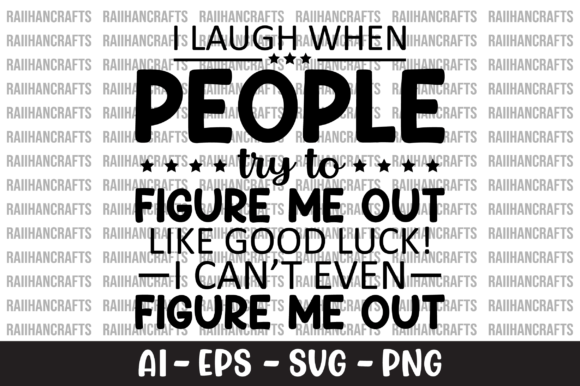
As an embroidery designer who has spent countless hours digitizing and testing files for real-world application, I approach every new machine embroidery design with a critical eye. It is not enough for a graphic to look good on a screen; it must hold up under the needle, survive the wash cycle, and resonate with the end customer. Recently, I evaluated the I Laugh when People Try to Figure Me out design, a piece that falls squarely into the Crafts and Graphics categories but demands specific attention regarding its execution in thread.
This design carries a bold, confident personality. The phrase itself suggests mystery, independence, and a touch of playful defiance. From a visual standpoint, this is not a shy motif. It is meant to be seen. When I first loaded the file into my editing software, I was looking for clarity in the lettering and balance in the layout. Typography-based designs are notoriously tricky in embroidery because thin lines can break, and dense areas can pucker fabric if not handled correctly. Here is my practical assessment of how this design performs in actual production environments.
First Impressions and Visual Personality
The immediate mood created by I Laugh when People Try to Figure Me out is one of self-assuredness. It is not overly ornate, which is a significant advantage for machine embroidery. Overly complex backgrounds often distract from the message, especially when working with limited hoop sizes. This design relies on the strength of its statement, making it versatile for various applications.
For small business owners and Etsy sellers, visual appeal translates directly to sales. A design that reads clearly from a distance is essential for apparel. Whether you are creating a sweatshirt embroidery piece for a boutique or a simple tote bag design for a craft fair, the legibility of the text is paramount. In my initial review, the spacing appeared adequate for standard satin or fill stitches, provided the digitizer has optimized the underlay. However, always remember that what looks perfect in a printable mockup may behave differently on textured fabric.
Real-World Application: The Custom Tote Scenario
To truly test the viability of this design, I imagined a specific client project: a custom canvas tote bag for a local bookstore’s staff appreciation gifts. The goal was to create something witty yet professional. Using I Laugh when People Try to Figure Me out on a natural cotton canvas offered an interesting contrast. Canvas has a visible weave, which can sometimes interfere with fine details.
In this scenario, the design worked well because the statement is broad enough to allow for slightly heavier stitch coverage without losing definition. I opted for a high-contrast thread color against the natural beige fabric. The result was a handmade product that felt personal and unique. Customers reacting to such items often appreciate the humor, which increases the perceived value of the finished product. It transforms a simple bag into a conversation starter, enhancing buyer engagement for any small shop product.
Fabric Considerations and Stitching Challenges
While the design is versatile, it is not universal. Experienced embroiderers know that fabric choice dictates success. Here is where caution is necessary:
- Stretchy Fabrics: If you are applying this to a t-shirt or baby clothes, the stretch of the knit fabric can distort the lettering. A cut-away stabilizer is non-negotiable here to maintain shape integrity.
- Dark Fabrics: On black or navy garments, ensure your thread colors have sufficient brightness. A dark thread on dark fabric will render the message invisible, defeating the purpose of the graphic.
- Curved Surfaces: Embroidering this on a cap requires careful hooping. The curvature can cause the text to arc unintentionally. If the design is not pre-archived in the digital file, you may need to adjust the placement manually to ensure it reads straight to the viewer.
- Tiny Lettering: If the design includes smaller sub-text or intricate flourishes, these may not stitch out cleanly on lower-end machines. Always check the smallest elements in your preview software.
For baby embroidery projects, softness is key. High stitch density can make a garment stiff and uncomfortable against sensitive skin. If using this design on onesies or blankets, consider reducing the density or using a softer rayon thread to maintain comfort while delivering the visual impact.
Enhancing Product Value and Brand Consistency
For commercial embroidery professionals, consistency is brand currency. Using a well-balanced design like I Laugh when People Try to Figure Me out helps maintain a professional appearance across different products. Whether it is an embroidered patch for a jacket or a detail on an apron, the clean lines contribute to a polished look.
This design fits seamlessly into collections focused on empowerment, humor, or individuality. For holiday gifts or personalized presents, it offers a modern alternative to traditional motifs. It appeals to buyers looking for custom apparel that reflects their personality rather than just a generic seasonal theme. By integrating such distinct graphics into your inventory, you differentiate your offerings from mass-produced items, fostering greater customer trust and loyalty.
Practical Notes for the Embroidery Designer
Before committing to a full production run, follow these essential steps to ensure quality:
- Test on Scrap Fabric: Never skip the test stitch. Use the same fabric type and weight you intend for the final product. This reveals issues with tension, puckering, or thread breaks.
- Check Thread Contrast: View your design in black and white mode. If the design disappears, your color choices lack sufficient contrast for real-world visibility.
- Review Stitch Density: High density can cause fabric distortion. If the design feels heavy, consider adjusting the pull compensation or density settings in your digitizing software.
- Confirm Hoop Size: Ensure the design fits comfortably within your hoop with adequate margin for clamping. Crowding the edges can lead to hoop burns or misalignment.
- Inspect Small Details: Zoom in on corners and curves. Jagged edges in the preview often translate to messy stitches on the fabric.
- Verify Licensing: Since this is a digital embroidery file intended for potential commercial use, confirm the license terms. Ensure you have the right to sell finished items or if restrictions apply to mass production.
Additionally, consider the role of stabilizer. For lightweight fabrics, a tear-away might suffice, but for structured items like caps or bags, a cut-away provides the necessary support to keep the satin stitch and fill stitch elements flat and smooth.
Final Verdict on Usability
The I Laugh when People Try to Figure Me out design is a strong contender for makers who want to inject personality into their work. It bridges the gap between simple text and artistic expression. While it requires thoughtful handling regarding fabric choice and stabilization, its potential for creating engaging design assets is high. For the Etsy seller or hobbyist looking to expand their portfolio with meaningful, conversation-starting pieces, this graphic offers a solid foundation. Just remember that the magic lies not just in the file, but in the precision of your stitching and the quality of your materials.