Review: Dont Make Me Go Full Moon Crazy Svg for Embroidery
As a designer who spends more time staring at stitch maps than actual fabric, I have learned to be skeptical of trendy graphics. We see thousands of files pass through our digital folders, but only a few survive the transition from screen to needle. Recently, I pulled up the Dont Make Me Go Full Moon Crazy Svg to evaluate its potential for real-world application. This isn’t just about whether the lines look clean in Illustrator; it is about whether this design holds up when subjected to the mechanical realities of an embroidery machine and the aesthetic demands of a paying customer.
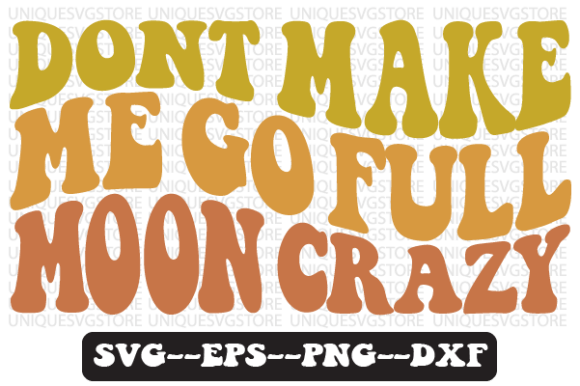
The first impression of this piece is distinct. It carries a retro, slightly whimsical mood that leans heavily into current pop-culture trends regarding lunar phases and mental health humor. For those of us in the Crafts and Graphics space, recognizing a trend is easy. Executing it well is harder. The layout features bold typography paired with lunar imagery, creating a balanced composition that feels intentional rather than cluttered. However, my immediate concern was not the art style, but the translation. How does a vector-based SVG, often designed for crisp vinyl cutting or high-resolution sublimation, behave when converted into thread?
From Digital File to Stitched Reality
I approached this review by imagining a specific client request. A local boutique owner wanted a line of personalized tote bags for a fall market. She needed something eye-catching but durable. The Dont Make Me Go Full Moon Crazy Svg seemed like a strong candidate for a tote bag design because of its horizontal spread and clear message. But before committing to production, I had to consider the technical constraints.
When working with any machine embroidery design derived from a printable or SVG source, the devil is in the details. The moon elements in this design likely require smooth curves. In embroidery, curves are created using short stitches or satin columns. If the original graphic has jagged edges or overly complex gradients, the resulting embroidery file can look messy. I looked closely at the thickness of the lettering. Thin lines in a digital graphic often translate to single running stitches, which can get lost on textured fabrics. Fortunately, the bold nature of this retro quote suggests it would hold up well, provided the digitizer adjusts the stitch density appropriately.
Best Uses for This Design
This design shines brightest on items with a flat, stable surface. My top recommendation would be sweatshirt embroidery. The thick cotton blend of a hoodie or crewneck provides an excellent canvas for the fill stitches required to make the moon and text pop. The retro vibe pairs perfectly with the casual comfort of fleece. Additionally, this would make a fantastic embroidered patch. Patches allow you to control the background fabric entirely, ensuring that the thread colors contrast sharply against the base material. You can then iron or sew the patch onto hats, jackets, or bags, offering versatility to your customers.
For Etsy sellers and small shop product creators, this design fits neatly into the "giftability" category. It works well for holiday embroidery projects, particularly around Halloween or harvest-themed events where moon imagery is prevalent. It also serves as a strong personalized gift option. Imagine adding a name below the main quote in a simpler font. This transforms a standard graphic into a bespoke item, increasing perceived value without significantly increasing production time.
Where Caution Is Required
While the design is strong, it is not universal. I would advise caution when attempting this on caps or curved surfaces. The horizontal width of the phrase "Dont Make Me Go Full Moon Crazy" might distort if the hoop size is too small or if the cap’s curvature is aggressive. Distortion can make the text unreadable, ruining the joke. Similarly, avoid using this on very thin or stretchy fabrics like lightweight rayon or jersey knits without heavy stabilization. The weight of the stitches could cause the fabric to pucker, especially if the design uses dense fill stitch areas for the moon.
Another critical consideration is the level of detail. If the SVG includes tiny stars or intricate cracks in the moon surface, these may not translate well at smaller sizes. In embroidery, less is often more. Tiny details can become tangled nests of thread. If you are scaling this down for a baby onesie or a pocket design, you must simplify the elements. Remove non-essential decorative flourishes to ensure the core message remains clear. This is a common pitfall for creative entrepreneurs who assume a digital print will look identical when stitched.
Technical Notes for the Professional
Before you load this into your machine, there are several practical steps you must take. First, always test the design on scrap fabric that matches your final project. If you are stitching on a dark navy hoodie, do not test on white cotton. The interaction between thread colors and fabric texture changes the visual outcome significantly. Dark fabrics often require a underlay or a lighter backing to prevent the base color from showing through the stitches.
Check your hoop size carefully. Ensure the entire design fits within your frame with adequate margin for the machine’s movement. If the design is large, you might need a multi-position hoop or a larger industrial frame. Also, verify the license terms. Since this is marketed as a printable product and SVG, confirm whether the creator allows for commercial use of the stitched finished product. Many designers allow you to sell physical items but prohibit reselling the digital design assets themselves. Clarity here protects your craft business from legal issues.
Stabilizer choice is non-negotiable. For a design of this nature, a cut-away stabilizer is usually best for garments that will be washed frequently, such as t-shirts and hoodies. It provides lasting support and prevents the stitches from pulling the fabric out of shape over time. For tote bags, a tear-away might suffice if the fabric is heavy canvas, but test first. A poorly stabilized design looks amateurish and can lead to customer returns.
Final Verdict on Visual Appeal and Value
The Dont Make Me Go Full Moon Crazy Svg has strong potential for commercial embroidery if handled with technical precision. Its strength lies in its relatable humor and retro aesthetic, which resonates with a broad demographic. For apparel decorators and handmade product sellers, it offers a quick turnaround item that feels custom and thoughtful. However, its success depends entirely on your ability to adapt a 2D graphic into a 3D textile medium.
Do not rely solely on the printable mockup provided in the product description. Those images are idealized. Real embroidery has texture, sheen, and physical presence. By paying attention to stitch density, choosing the right stabilizer, and selecting appropriate fabrics, you can elevate this design from a simple graphic to a high-quality custom apparel staple. Whether you are creating baby embroidery gifts or stocking your online store, this design rewards careful preparation with a professional, polished result.