Reviewing Kindergarten Vibes Retro SVG for Embroidery
As a designer who has spent countless hours digitizing and stitching out files for clients, I have learned that not every graphic translates well to thread. When I first encountered the Kindergarten Vibes Retro Svg Design, my initial reaction was one of cautious optimism. The retro aesthetic is currently dominating the handmade market, but executing it in embroidery requires a keen eye for detail. This is not just a digital asset; it is a potential cornerstone for a seasonal product line. Here is my practical evaluation of how this design performs when moved from the screen to the hoop.
First Impressions and Visual Personality
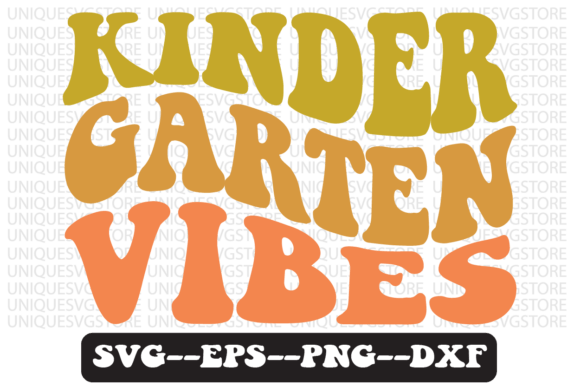
The immediate appeal of this design lies in its nostalgic charm. The typography and layout evoke a specific era, creating a warm, welcoming mood that resonates deeply with parents preparing their children for the first day of school. From a graphical standpoint, the lines are clean, which is a promising sign for stitch conversion. However, as an embroidery professional, I look beyond the surface. I analyze the negative space, the curvature of the letters, and the potential for thread breaks.
The "retro" style often relies on bold, thick lines or specific textural effects. In a machine embroidery design, these elements must be balanced against stitch density. If the original SVG has overly intricate details, they may get lost in the fabric texture. Fortunately, this particular design appears to have a solid structural foundation. It feels substantial enough to hold its shape without requiring excessive underlay, which is crucial for maintaining the softness of garments like onesies or hoodies.
Real-World Application: The Custom Tote Scenario
To truly test the viability of any design, I imagine it in a real-life production scenario. Let us consider a custom order for a boutique client who wants a set of personalized tote bags for kindergarten teachers. The Kindergarten Vibes Retro Svg Design would be the centerpiece of this tote bag design. Canvas is a forgiving medium, offering a stable surface for stitching.
In this context, the design’s legibility is paramount. Teachers often receive gifts that are displayed proudly, so the text must be crisp. I envision using a contrasting thread colors palette—perhaps a mustard yellow or burnt orange against a natural canvas—to enhance the retro vibe. The design’s layout allows for easy personalization, such as adding the teacher’s name below the main quote. This transforms a standard printable mockup into a high-value personalized gift. The emotional connection customers feel toward back-to-school items drives sales, and this design taps directly into that sentiment.
Fabric Considerations and Stitching Challenges
While the design looks promising on paper, its performance varies significantly across different materials. For sweatshirt embroidery, the loft of the fleece can obscure fine details. If this design includes thin running stitches or small satin columns, they might sink into the fabric. In such cases, I recommend using a cutaway stabilizer to provide additional support and prevent distortion during washing.
Conversely, when applying this to baby embroidery projects like onesies, the fabric is thin and stretchy. Here, the stitch density becomes a critical factor. A dense fill stitch can make the garment stiff and uncomfortable for a child. I would advise digitizers or users to adjust the density if they are converting the SVG themselves, ensuring the final embroidered patch or direct stitch remains soft to the touch. For dark fabrics, the contrast of the thread is essential. Without proper planning, the retro colors might not pop, reducing the visual impact of the finished product.
Navigating Curved Surfaces and Small Hoops
Another common application is caps or hats. Embroidering on curved surfaces presents unique challenges. The hoop size must accommodate the design without distorting the brim. If the design is too wide, it may wrap around the curve awkwardly, making parts of the text difficult to read from the front. I suggest testing the design on a scrap piece of similar fabric stretched in the same hoop you intend to use. This simple step can save hours of rework and wasted thread.
For smaller items like pocket squares or baby bibs, ensure the design scales down effectively. Tiny lettering can become illegible if the resolution drops during resizing. Always check the smallest element of the design to confirm it remains clear at the intended size.
Commercial Viability for Etsy Sellers and Craft Businesses
For Etsy sellers and small shop owners, the commercial potential of this design is significant. The back-to-school season is a peak period for craft business revenue. Products featuring this design can range from custom apparel to home decor items like pillow covers. The key to success lies in presentation. High-quality photos that show the texture of the stitches help buyers appreciate the craftsmanship.
When listing this as a digital embroidery file or a finished item, clarity about usage rights is essential. Since the product description mentions it is a printable PNG and SVG, users must verify if they have the license to sell physical items made with the design. Many buyers are confused about the difference between purchasing a file for personal use versus commercial use. Clear communication builds trust and reduces customer service issues.
Moreover, the versatility of the design allows for cross-category marketing. It fits naturally within Crafts and Graphics categories, appealing to both DIY enthusiasts and professional decorators. By offering variations, such as different colorways or paired with complementary motifs, sellers can increase the perceived value of their design assets.
Practical Designer Notes for Best Results
Before committing to a large production run, follow these practical steps to ensure quality:
- Test on Scrap Fabric: Always stitch a sample on the actual material you plan to use. This reveals issues with tension, density, and registration.
- Check Thread Contrast: View your design in black and white to ensure the shapes are distinct. If elements blend together in grayscale, they may lack definition in thread.
- Verify Licensing: Confirm whether the license allows for commercial sales of finished goods. This is crucial for avoiding legal issues down the line.
- Adjust for Fabric Type: Use appropriate stabilizers. Tear-away for stable woven fabrics, cut-away for knits and stretchy materials.
- Inspect Small Details: Zoom in on the digital file to check for stray nodes or overlapping paths that could cause machine errors.
In conclusion, the Kindergarten Vibes Retro Svg Design offers a strong foundation for a variety of embroidery projects. Its retro aesthetic aligns perfectly with current trends, and its structure suggests good stitchability with proper preparation. By understanding the nuances of fabric interaction, stitch density, and commercial licensing, designers and makers can leverage this asset to create compelling, high-quality products. Whether for a single holiday embroidery gift or a full line of commercial embroidery merchandise, this design holds promise for those who approach it with a professional mindset.