Mental Health Design: A Designer’s Real-World Review
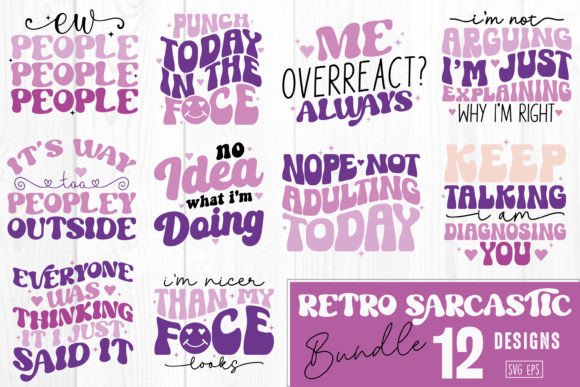
As an embroidery designer who has spent years digitizing patterns and testing them on everything from stiff denim to delicate baby knits, I approach every new machine embroidery design with a mix of curiosity and skepticism. We have all seen designs that look stunning on a screen but turn into a tangled mess of thread breaks and puckering once they hit the fabric. That is why I took a close look at the Mental Health retro quote bundle. This is not just another graphic; it is a statement piece that requires careful handling to ensure it translates well from a digital embroidery file to a tangible, high-quality finished product.
First Impressions: Mood and Visual Personality
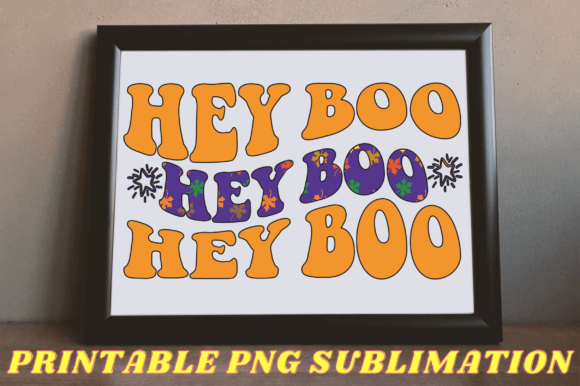
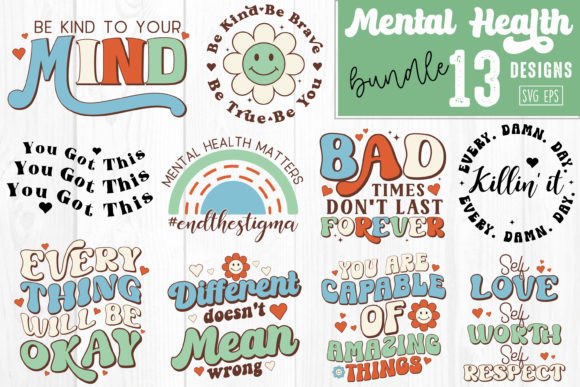
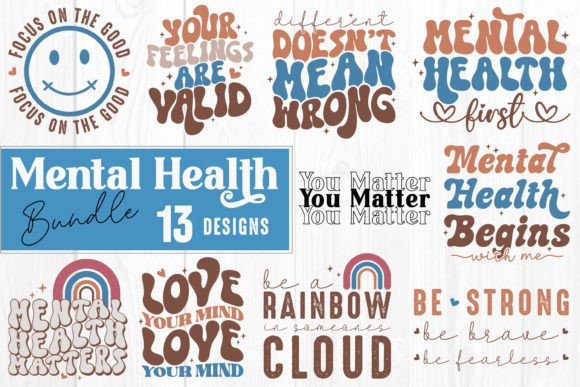
The first thing that strikes you about the Mental Health design is its nostalgic, retro aesthetic. In the current market, vintage-inspired typography is having a massive moment, particularly in the realm of Crafts and handmade goods. The layout feels balanced, with a visual personality that is both bold and approachable. It does not scream for attention in an aggressive way; instead, it invites the viewer to pause and reflect. For a designer, this mood is crucial. It suggests that this design belongs on items meant for comfort and daily use, rather than formal or high-fashion garments.
The shape and detail level are moderate, which is a good sign for home embroiderers and small business owners. Extremely intricate details often get lost in stitching, especially when using standard polyester threads. This design appears to have enough negative space to allow the stitches to breathe, reducing the risk of dense stitch areas that can cause fabric distortion. It feels like a design that respects the limitations of the hoop while maximizing visual impact.
Real-World Application: From Screen to Stitch
To truly evaluate this asset, I imagined a specific real-life scenario: preparing a custom embroidered tote bag for a local wellness workshop. Tote bags are popular small shop products, but they present unique challenges due to their coarse weave and lack of stretch. The Mental Health quote, with its clear lines and retro vibe, would sit beautifully on a canvas tote. The key here is contrast. Using a bright, cheerful thread color against a natural beige or deep navy fabric would make the message pop without looking cluttered.
Beyond totes, this design is versatile enough for sweatshirt embroidery. Imagine a oversized, neutral-toned crewneck with this quote stitched across the chest or even on the sleeve for a subtle accent. The retro style pairs perfectly with the cozy, casual nature of fleece and cotton blends. For Etsy sellers and craft business owners, this versatility is a major selling point. You are not limited to one product type. You could easily adapt this for aprons, pillow covers, or even as a central motif on a personalized gift like a journal cover.
The product description notes that this is a Graphics bundle with SVG and EPS files, which means it is primarily a vector graphic intended for printing or cutting. However, for embroidery purposes, these clean lines are essential. If you are digitizing this yourself or hiring a digitizer, the clarity of the source file ensures that the conversion to stitch data is accurate. The ability to change colors easily, as mentioned in the features, allows you to test various thread colors digitally before committing to physical thread. This is a huge time-saver when creating printable mockups for your online store.
Navigating Technical Challenges
While the design is strong, there are areas where caution is necessary. Any text-based design requires careful attention to stitch density and font size. If you plan to use this on a curved surface, such as a cap or hat, you must ensure the lettering is not too tall or wide for the cap frame. Small lettering can become illegible if the stitch count is too low, or it can become stiff and uncomfortable if the density is too high. I always recommend running a test stitch-out on scrap fabric that matches the weight and texture of your final material.
Fabric choice plays a pivotal role here. On thin or stretchy fabrics, such as jersey t-shirts or baby clothes, the tension of the embroidery can cause puckering. Using a proper stabilizer is non-negotiable. For knit fabrics, a cut-away stabilizer provides the necessary support to keep the Mental Health quote flat and smooth. On textured fabrics like towels or blankets, you might need to adjust the underlay stitches to ensure the top stitches sit on top of the pile rather than sinking into it.
Another consideration is the complexity of corners. Retro fonts often have sharp serifs or distinct edges. In embroidery, sharp corners can lead to thread bunching. A skilled digitizer will use micro-trims or adjust the angle of the satin stitch or fill stitch to maintain crispness. If you are buying this as a ready-to-stitch digital file, check the preview images closely for any signs of jagged edges or poor coverage. If it is a vector file for print, these issues are less relevant, but for embroidery, they are critical.
Enhancing Brand Value and Customer Trust
From a business perspective, the quality of your design assets directly impacts customer trust. A clean, well-executed embroidery project signals professionalism. When a customer receives a handmade product with clear, even stitching and a thoughtful design, they are more likely to leave a positive review and return for future purchases. The Mental Health theme resonates deeply with current cultural conversations, making it a powerful tool for brand connection. It shows that your small shop product line is attuned to modern values and mental well-being.
This design can elevate simple items into meaningful gifts. A holiday embroidery project featuring this quote could be a comforting gift for a friend going through a tough time. It transforms a standard mug or tote into a vessel of support. For commercial embroidery projects, such as corporate wellness kits or boutique branding, this design offers a way to add a human touch to merchandise. It is not just about aesthetics; it is about emotional resonance.
Practical Notes for the Embroiderer
Before you launch into production, here are my top recommendations for working with this type of design:
- Test on Scrap Fabric: Always stitch out the design on the same type of fabric you intend to use for the final product. This helps you identify any tension issues or registration errors.
- Check Thread Contrast: Use high-contrast thread colors to ensure readability. Test the design in black and white mockups to see if the shapes hold up without color reliance.
- Verify Licensing: Since this is a digital product, confirm the license terms. Can you sell finished items made with this design? Are there restrictions on digital redistribution? Always clarify this before listing items on Etsy or other platforms.
- Inspect Source Files: The package includes EPS and SVG files. Ensure these files are clean and scalable. If you are digitizing for embroidery, use these vectors as your base to maintain the integrity of the original artwork.
- Consider Hoop Size: Make sure the design fits comfortably within your available hoop sizes. Leaving adequate margin around the design prevents hoop burns and allows for easier framing.
In conclusion, the Mental Health retro quote bundle is a promising addition to any designer’s library. It balances trendiness with timeless messaging, offering flexibility across various embroidery projects. By paying attention to technical details like stabilizer choice, stitch density, and fabric compatibility, you can ensure that this design performs as well in reality as it does in concept. For makers and creative entrepreneurs, it represents an opportunity to create products that are not only visually appealing but also emotionally significant.